What’s new in version 25.07
We’ve improved login performance and provided more control over how accounts can monitor their estimated costs using WBS.
Questions about our latest updates? Contact our support team.
Dashboard
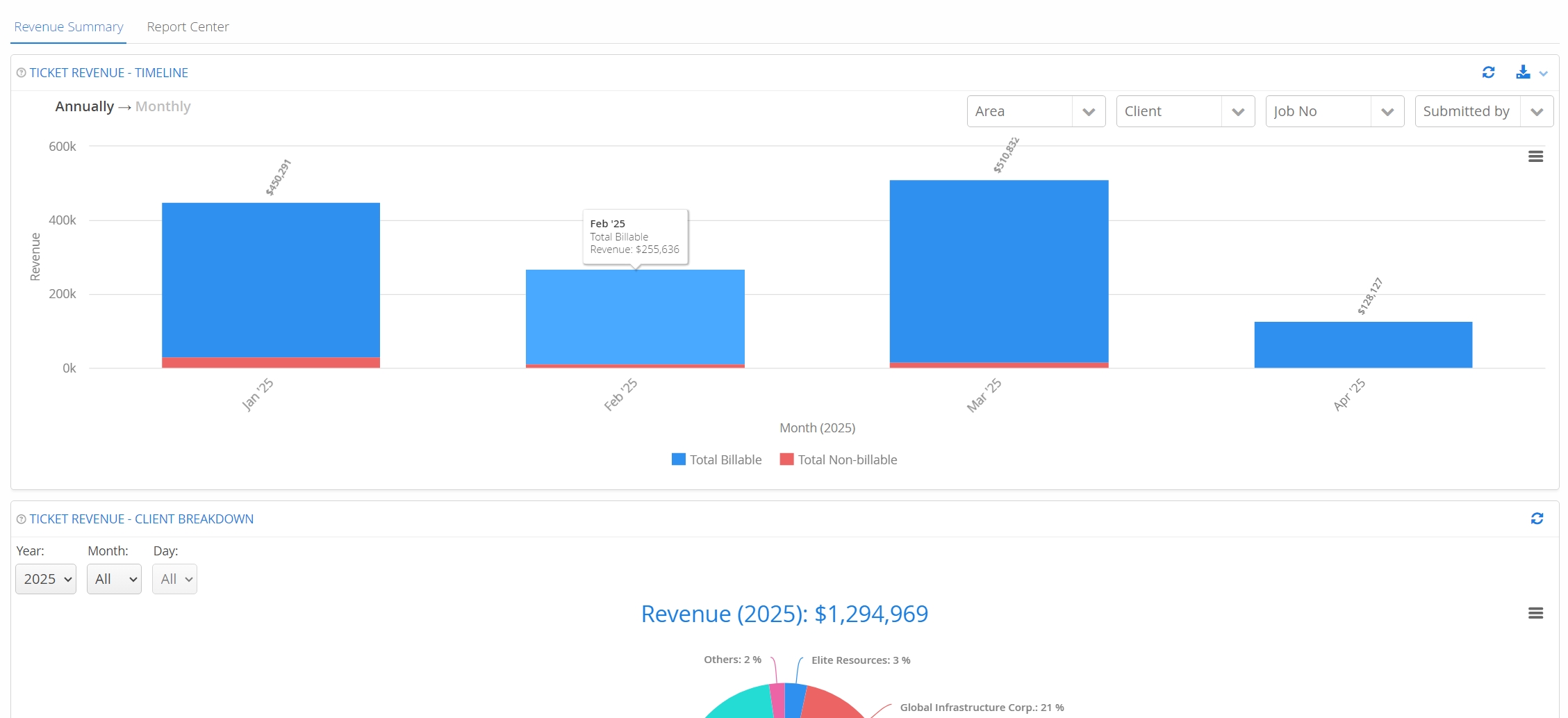
We’ve deployed improvements to our Dashboard charts that should decrease login times for accounts that are loading large datasets.
Job Performance
We’re introducing new ways to monitor your Estimated Cost at Completion (EAC). Ultimate accounts will find additional options under each WBS Activity.
To access these settings, edit any child deliverable in a WBS Schedule.
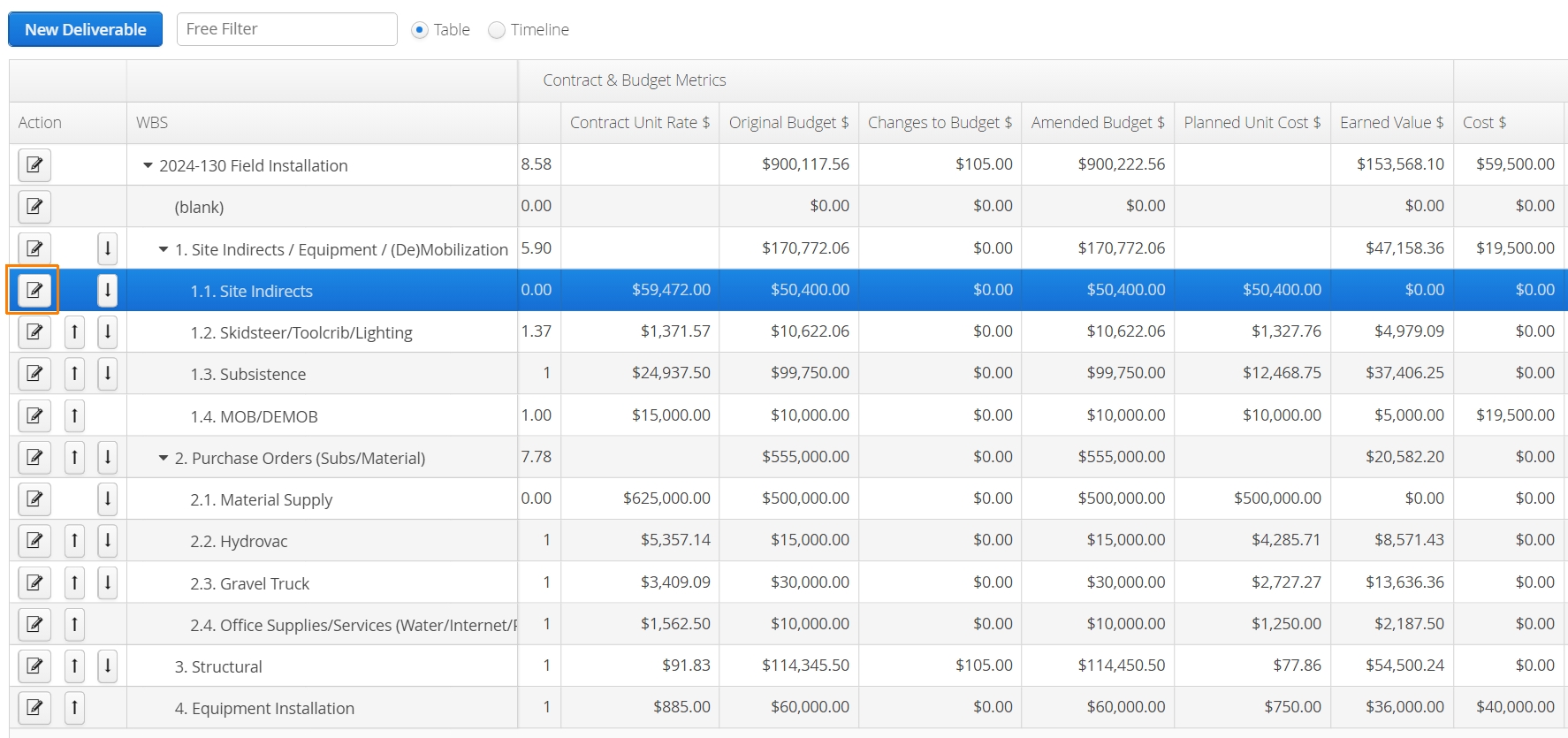
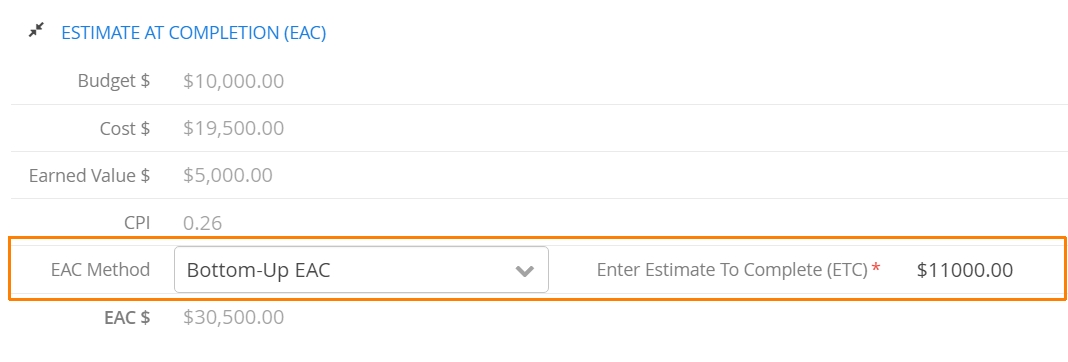
Scroll down to find the Estimate at Completion (EAC) section.
Accounts will have the following EAC options available:
-
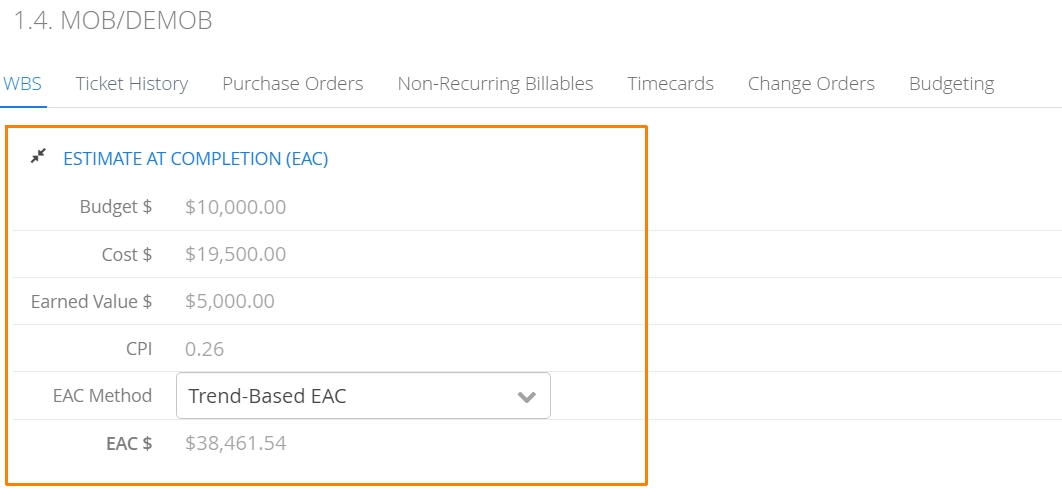
Trend-Based EAC (Default)
-
Calculated by dividing Amended Budget by CPI
-
Assumes that past (latest recorded) cost performance (CPI) will continue.
-
-
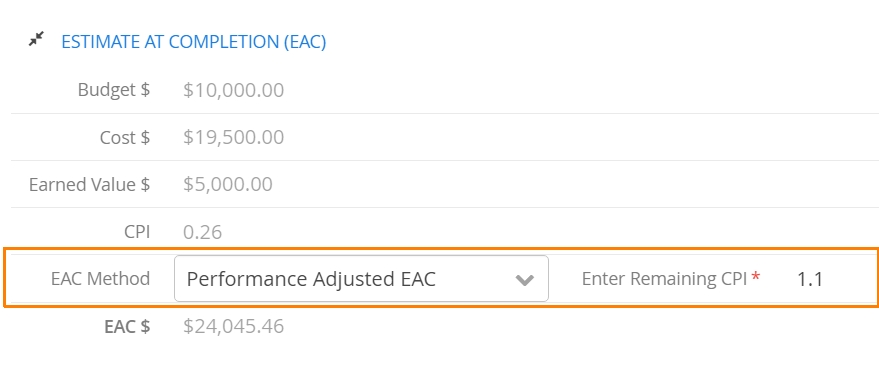
Performance Adjusted EAC
-
Calculated by taking Actual Cost + (Amended Budget - Earned Value) and dividing that by Forecasted Remaining CPI (manually entered).
-
This option is suitable for projects that need to account for deviations from historical performance, allowing for a manually adjusted CPI.
-
-
Bottom-Up EAC
-
Calculated by adding Actual Cost and Estimate To Completion (ETC)
-
We introduce a field (ETC) to allow for a strict dollar amount to be entered. This approach provides Project Managers the ability to factor in their own calculations by manual forecasting their remaining cost.
-
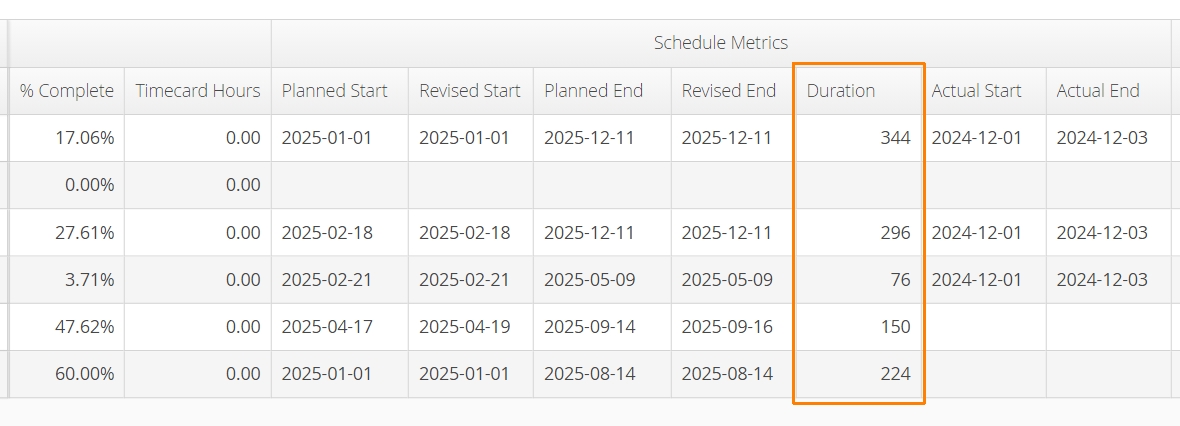
In addition, we have added two additional calculated columns to the WBS schedule tab:
- Duration (Quantity of Days): Calculated by subtracting Revised End Date and Revised Start Date.
-
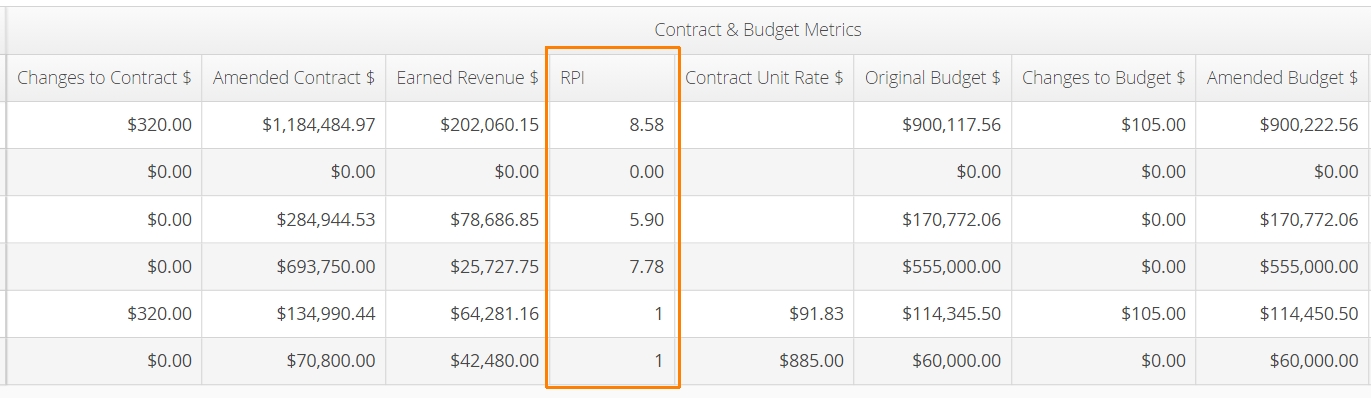
RPI (Revenue Performance Index): Calculated by dividing Earned Revenue by Billable $
- This can be used when communicating WBS Performance to clients, in that your RPI is the equivalent of their CPI.
Finally, we’ve adjusted the formula for Remaining Spend column.
- Remaining Spend is now calculated by subtracting Cost from EAC.
Want to learn more about Aimsio’s Job Performance reporting? Click here to read our documentation.